How GPIA and CARS Turned Donated Trailers into $240k in Unrestricted Funding
By Laurel Brow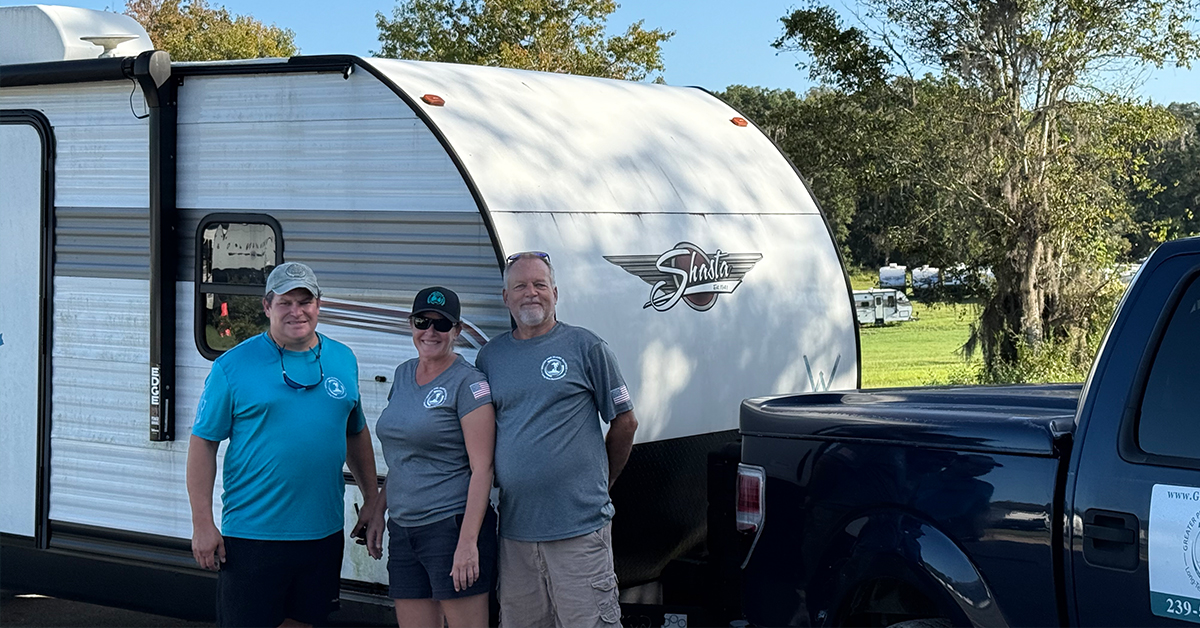
Key Takeaways:
- Greater Pine Island Alliance (GPIA), a Florida-based disaster recovery nonprofit, partnered with CARS to convert donated travel trailers into unrestricted funding, raising $240,000 and counting!
- The CARS Vehicle Donation Program helps nonprofits avoid expenses associated with fleet vehicle storage, resale, and logistics.
- Revenue from donated vehicles and trailers can support urgent community needs and long-term recovery efforts.
Full Story:
For many nonprofits, large donated assets can feel like both a gift and a challenge.
Travel trailers, fleet vehicles, RVs, shuttle buses and other specialty vehicles may hold significant value, but storing, maintaining, transporting, and selling them often requires time, expertise, and resources that mission-driven organizations simply don’t have.
That was the situation Greater Pine Island Alliance (GPIA), a Florida-based disaster recovery nonprofit, faced after receiving several donated travel trailers following major hurricanes in Southwest Florida.
Turning Trailers Into Mission Support
GPIA helps disaster survivors return home after hurricanes and other catastrophic events in Southwest Florida. Following multiple major storms, the organization received several travel trailer donations through community and disaster recovery connections.
Some trailers were used directly to house displaced families. Others, however, were not immediately needed. Rather than letting the units sit unused, GPIA partnered with CARS to convert the trailers into funding through its vehicle donation program.
Staying Focused on the Mission
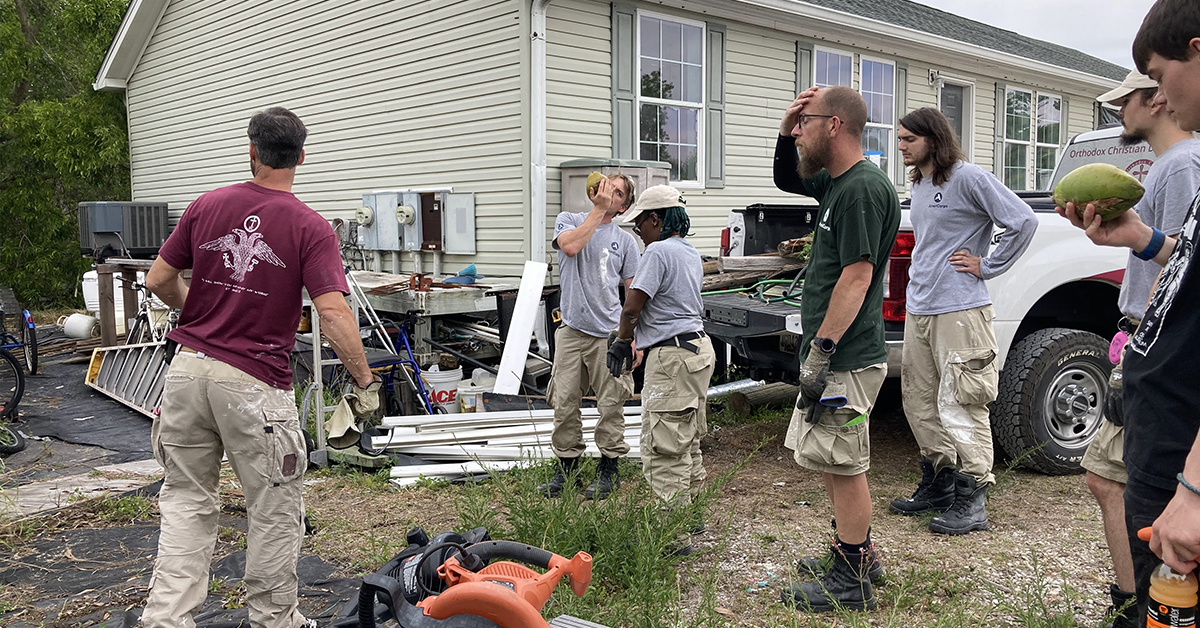
For GPIA, the challenge wasn’t just accepting the trailer donations — it was determining how to manage them without pulling staff away from their core mission.
Partnering with CARS allowed GPIA to turn the trailers into funding without taking on the operational burden.
As Erin Lollar-Lambert, Executive Director of GPIA, explained: “Small nonprofits have a specific mission, and it’s not being an auto dealer.”
She emphasized that partnerships allow nonprofits to stay focused on what they do best. “It’s important that nonprofits try not to walk outside of their mission statement, so we partner with organizations like CARS that can help us with that. It’s the power of nonprofits working together that can multiply the benefits.”
Flexible Funding for Real Needs
At the time this article was written, the donated trailers had generated more than $240,000 in unrestricted funding for GPIA.
The organization plans to use the revenue from these donated trailers to continue to assist disaster survivors. This assistance includes repairs, contents replacement, and coordination of the entire recovery process. This flexibility allows GPIA to respond to evolving community needs rather than being tied to a single use case for donated assets.
As Erin explained: “After a disaster, funding tends to come rapidly to an area that’s been hit hard. But as time goes on, you have to get more creative. No two disasters are the same, and no two survivors have identical recovery needs. The ability to be able to assist survivors with unique needs is vital to the recovery process.”
What Nonprofits Need to Know
For nonprofits considering asking for fleet or trailer donations, GPIA’s experience offers an important reminder: you don’t need to have all the answers — or all the infrastructure — to benefit from complex asset donations.
Many organizations assume they need storage space, resale expertise, transportation resources, or internal staff capacity to accept fleet vehicle donations.
Through its partnership with CARS, GPIA was able to:
- Eliminate storage concerns for the donated trailers
- Avoid operational headaches and resale logistics
- Generate unrestricted funding for disaster recovery
- Maximize the value of donated assets
“You never know what door is going to open up to you when you step out and work with other people. We always encourage collaboration and take advantage of the mass amount of expertise in the nonprofit field,” Erin said.
The Bottom Line
Unused trailers, fleet vehicles, and specialty assets do not have to become operational burdens. With the right partnership, they can become unrestricted funding that supports programs and helps nonprofits better serve their communities.
As Erin put it:“Don’t say no to a donation before you call CARS.”
Wondering whether your nonprofit could receive a fleet of donated vehicles from a local business or other partnership? Reach out to marketingsupport@careasy.org, and we’ll help you get the conversation started.